The Gap Between a Photo and the Real Thing
Every online shopper has experienced the letdown of an item that looked one way in photos and felt entirely different in person, a common enough problem with home decor items online that it is worth developing a few habits to guard against it. Karigary
Checking Dimensions Against Something Familiar
Product listings usually include exact measurements, and mentally comparing those numbers against a familiar object, a book, a standard table, gives a far more accurate sense of actual scale than a photo alone, which can be deceptively cropped or angled.
Looking for Multiple Angles and Close-Ups
Listings with several photos, including close-up shots of texture and finish, offer a more honest picture of quality than a single polished hero shot, and their presence is often itself a good sign of a seller confident in their product. Karigary
Reading Material Descriptions Carefully
Understanding exactly what a piece is made from, solid wood versus a wood veneer, and solid brass versus a plated alternative shapes both expectations and how the piece should be cared for once it arrives. Karigary
Considering How Lighting Affects Color
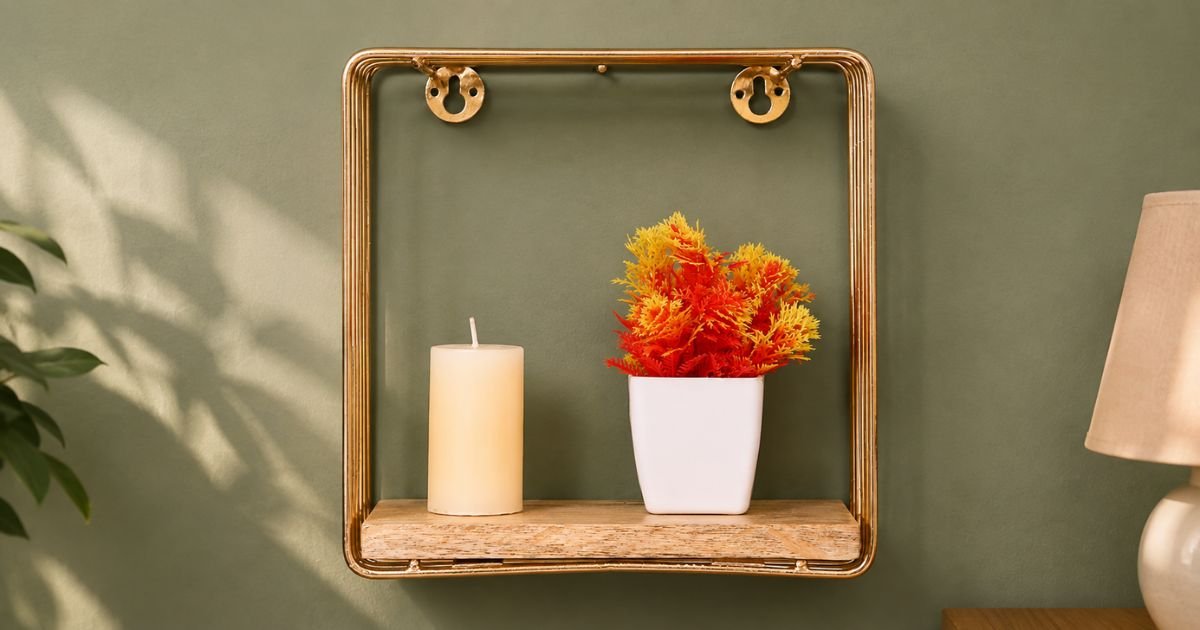
Product photography lighting can shift how a color or finish actually reads; a piece described as warm gold brass may look slightly different under a home’s own lighting, worth keeping in mind particularly for pieces meant to match existing decor precisely.
Trusting Direct Communication Over Guesswork
When any uncertainty remains after reviewing photos and descriptions, reaching out directly for clarification beats guessing and hoping for the best, especially for a piece intended for a specific, considered spot in a home. Karigary