What Minimalism Means in an Indian Home
Fewer, better pieces
Instead of twenty small showpieces, choose three that you truly love. Karigary
Space to breathe
Empty surfaces and clear floors are part of the design, not a lack of it.
Function first
Every object should be useful, meaningful, or both. A brass diya you light daily earns its place. A showpiece you never notice does not. Karigary
Warmth through materials
Wood, brass, stone, cotton, and plants add warmth without adding clutter.
Minimalist Indian Home Decor, Room by Room
Living room
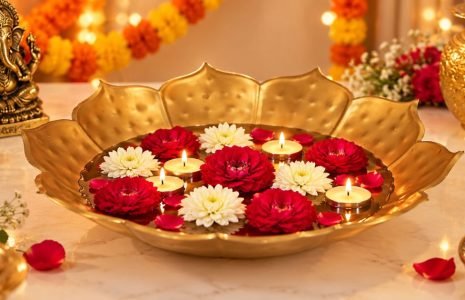
A comfortable sofa, a wooden coffee table with a single brass urn, one plant, and one piece of wall art. Karigary lists a silver-plated brass urli with an elephant motif and wall art pieces.
Pooja corner
One or two brass idols, a diya, and fresh flowers on a simple shelf. A minimalist pooja space can feel more peaceful than a crowded one. Karigary
Dining room
A clean table with a single centrepiece, such as a low bowl or a marble cake stand with fruit. Karigary
Bedroom
A calm bed, one bedside table with a tealight holder, and a trunk for storage.
Kitchen
Closed storage for most things, with a few matching jars and a roti box on display. Karigary
Keeping Culture in a Minimal Home
Choose one meaningful piece per room.
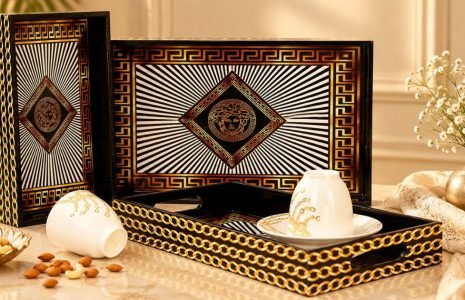
A brass idol, a carved wooden tray, or a block-printed cushion carries culture without crowding. Karigary
Use traditional materials in simple forms.
Plain brass bowls, smooth wooden trays, and simple stone platters feel both minimal and Indian. Karigary
Let festivals add color.
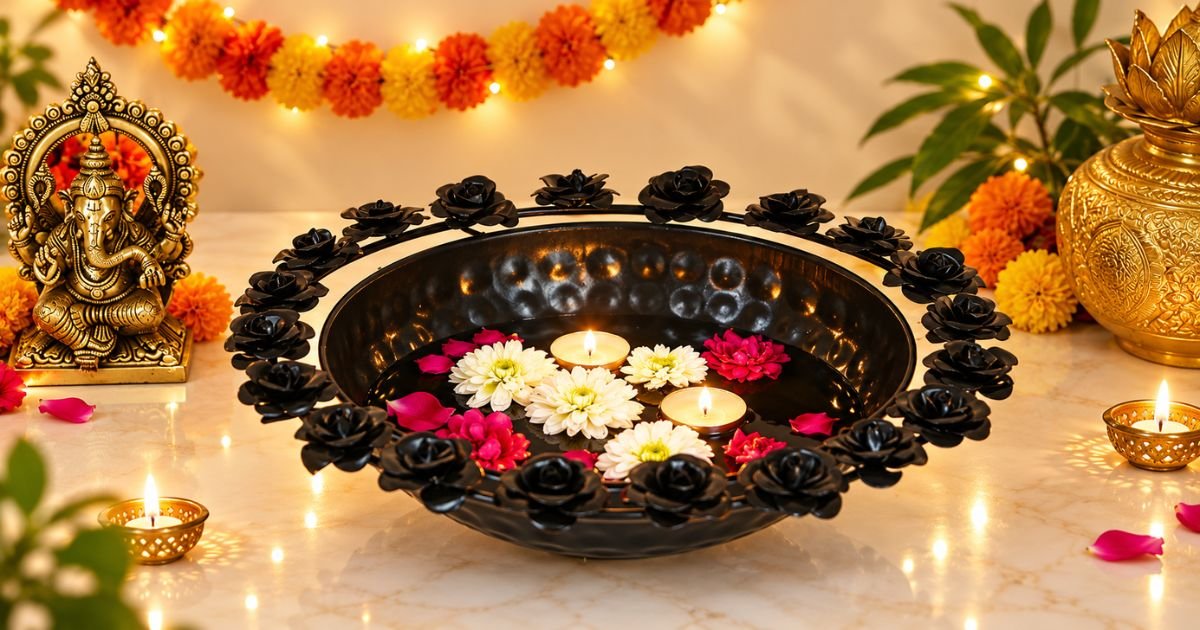
Keep everyday decor minimal, and bring out rangoli, torans, marigolds, and diyas for festivals. The contrast makes celebrations feel even more special.
Storage Makes Minimalism Possible
Hidden storage
Cabinets, under-bed drawers, and trunks keep daily clutter out of sight. Karigary lists decorative trunks that look beautiful while hiding what is inside.
One home for everything
When every item has a fixed place, surfaces stay clear. Karigary
Regular decluttering
Before each festival, go through one room and remove what you no longer use. Diwali cleaning is a tradition in most Indian homes, which makes it the perfect yearly moment to let go of things.
The one-in, one-out rule
When something new comes into the home, something old goes out. It is the simplest way to stop clutter from creeping back. Karigary
Gifts and hand-me-downs
Indian families receive many gifts. Keep the ones you love, and pass on the rest kindly to people who will use them.
Color and Light
Neutral base
White, cream, beige, and soft grey walls create calm. Karigary
Warm accents
Brass, wood, and one accent color in cushions or a rug add warmth.
Natural light
Keep windows clear and curtains light. Sheer cotton or linen curtains let daylight fill the room while keeping privacy. Karigary
Soft evening light
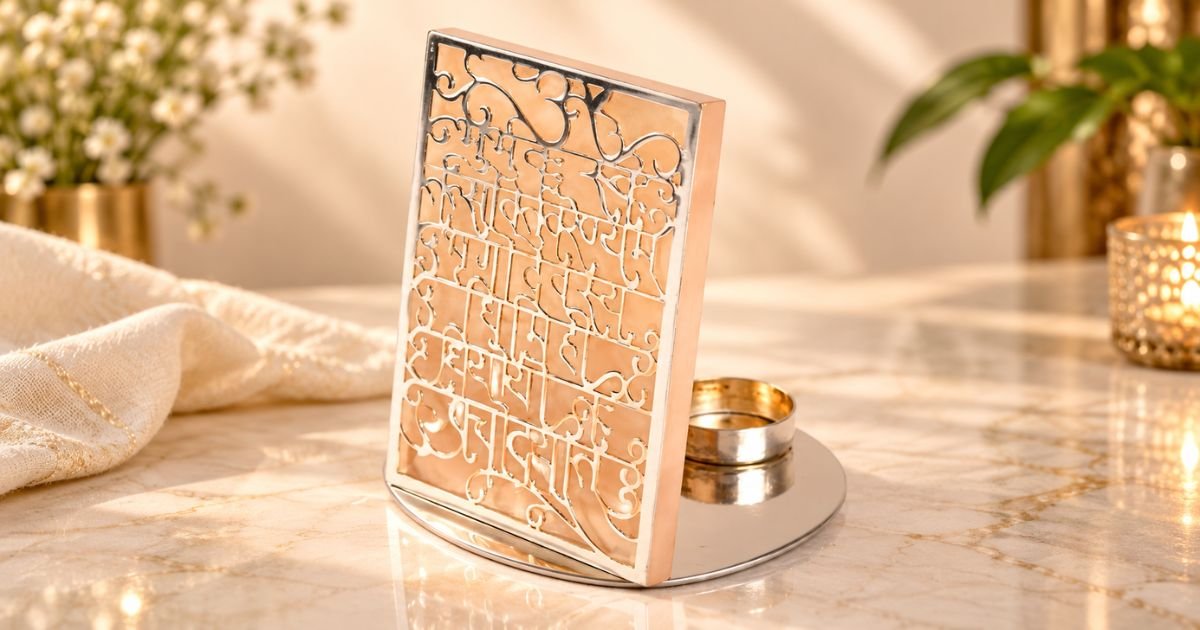
A few candles or lamps instead of harsh overhead lights. A single cut-work tealight holder on a bare shelf can do more for a room’s mood than a dozen decor pieces.
Mistakes to Avoid
Making it cold
Too much white and too little texture feels clinical. Add wood, plants and fabric. Karigary
Hiding everything meaningful
Minimalism should keep the pieces you love, not remove them.
Ignoring family needs
A home with children and elders needs comfort and practicality. Karigary
Buying more minimalist things
Minimalism is about owning less, not shopping for a new style. Karigary
The Takeaway
Minimalist Indian home decor keeps the calm of fewer things while holding on to warmth and meaning. Choose fewer, better pieces in brass, wood, and stone; leave space to breathe; rely on hidden storage; and keep one meaningful piece per room. Let festivals bring bursts of color. Karigary’s handcrafted urlis, idols, trunks, and trays suit a home that is simple, warm, and unmistakably Indian.