What Silver Plating Is
A silver-plated item has a base metal, often brass or copper, coated with a thin layer of silver. It looks like solid silver, but the silver layer is delicate. Strong scrubbing or harsh polish can wear through it and reveal the metal underneath.
That is why plated pieces need different care from solid silver. Karigary
Why Silver Tarnishes
Silver reacts with sulfur compounds in the air, forming a dark layer called tarnish. Humidity, cooking fumes, rubber bands, some fabrics and even certain foods speed it up. In Indian cities with high humidity and pollution, tarnish can appear quickly. Karigary
How to Care for Silver-Plated Items Day to Day
Wipe after use
A soft, dry microfibre or cotton cloth removes fingerprints and moisture before they cause marks.
Wash gently when needed.
For serveware, wash with lukewarm water and a little mild dish soap. Never soak plated items for long.
Dry immediately.
Water spots and tarnish follow when plated pieces air-dry. Dry fully with a soft cloth, including inside lids and the base. Karigary
Avoid the dishwasher.
Dishwasher detergents and heat can damage plating.
Removing Tarnish Gently
Use a silver polishing cloth.
Specially treated polishing cloths remove light tarnish with minimal rubbing.
Use a gentle silver polish sparingly.
Apply a small amount with a soft cloth, rub lightly in straight lines, and rinse or wipe off fully. Do not polish the same spot repeatedly. Karigary
Go easy on embossed details
Raised patterns lose plating fastest. Polish them very lightly.
Avoid harsh home remedies.
Toothpaste, baking soda scrubs, and abrasive powders can scratch thin plating. They are better avoided on plated pieces.
Storing Silver Plated Items
Wrap in soft cloth.
Cotton bags or flannel slow tarnish and prevent scratches. Karigary
Keep away from rubber.
Rubber bands and rubber-lined drawers cause dark marks.
Add silica gel.
A small silica gel packet in the storage box absorbs moisture, especially useful during the monsoon. Karigary
Store separately
Do not stack plated pieces directly on top of each other. Rubbing during storage scratches the silver layer, especially on embossed jars and frames.
Quick care for different pieces
Jars and bowls. Empty and wipe the inside after each festival. Leave lids slightly open for a day before storing so no moisture is trapped.
Urlis. Empty water daily when using flowers and floating diyas. Dry fully before storing, since standing water damages plating quickly.
Photo frames. Wipe the frame only. Keep glass cleaner away from the silver surface by spraying the cloth, not the frame.
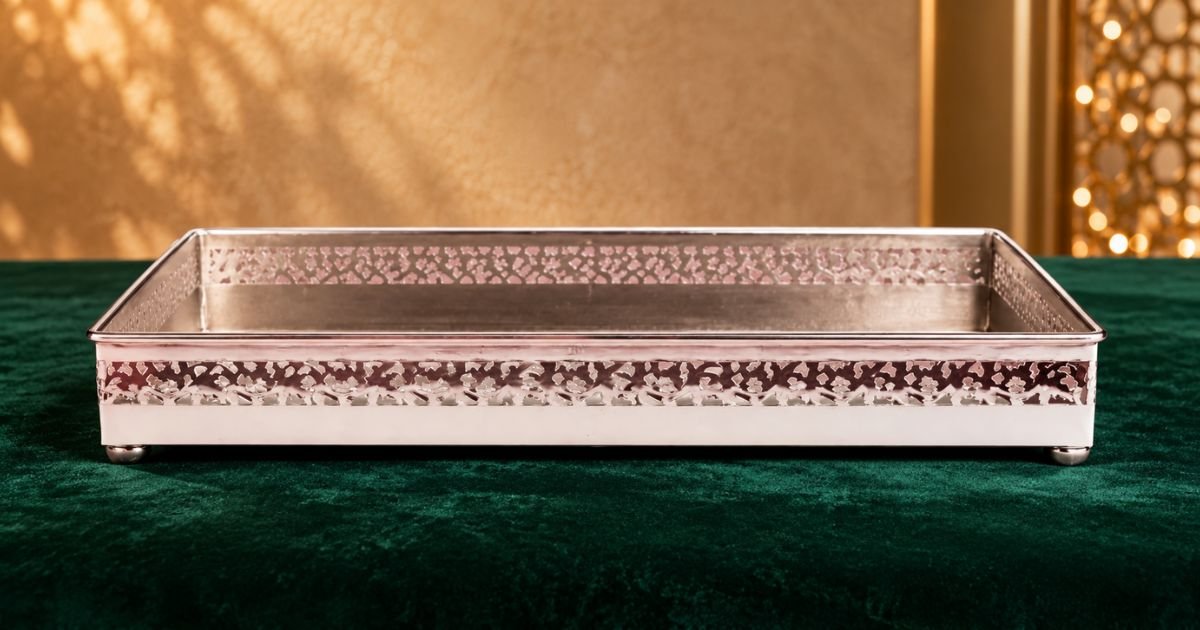
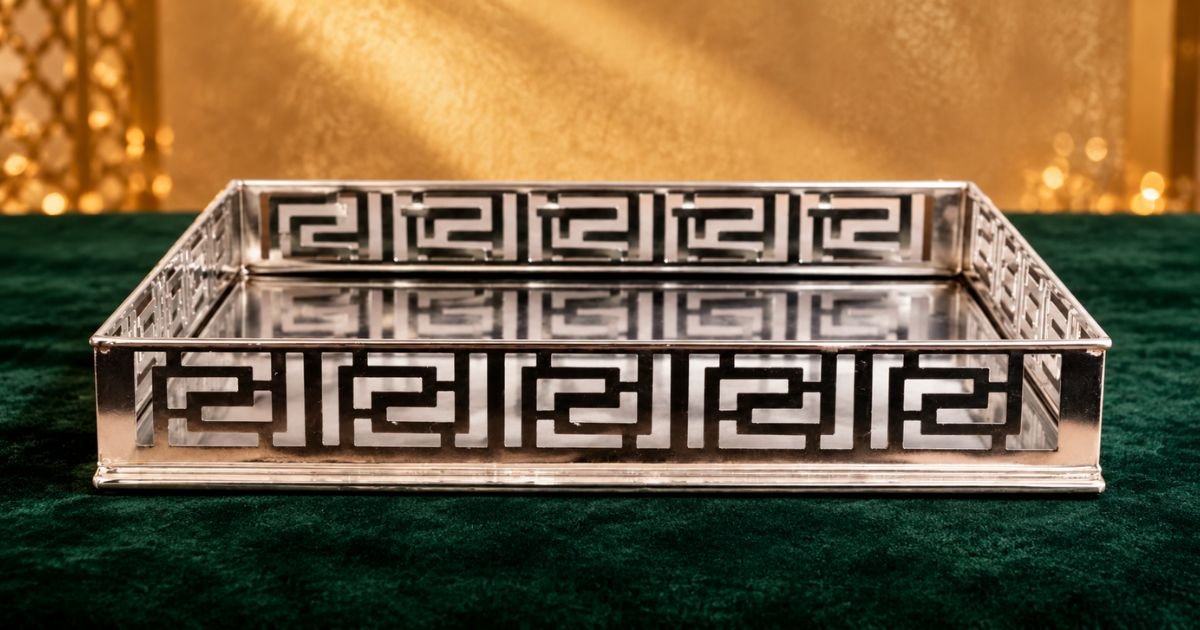
Hampers and trays. Remove food and ribbons after the festival, and wrap and store them. Karigary
Serving in Silver Plated Pieces
Dry foods are best.
Dry fruits, sweets, namkeen, and biscuits are ideal for plated bowls and jars.
Line for wet or acidic foods
Salt, vinegar, citrus, and pickles can damage plating. Use a liner or a small glass bowl inside.
Clean soon after use
Food left in plated serveware overnight can stain.
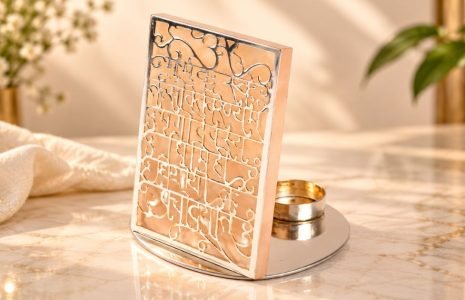
Karigary’s silver gifting range includes embossed jars with marble lids, a silver dry fruit serving bowl, a silver-plated malachite jar, and silver-plated urli and lotus design photo frames, all of which benefit from this gentle care.
The Takeaway
Learning how to care for silver-plated items comes down to gentleness. Wipe after use, wash briefly in mild soap, dry immediately, and avoid the dishwasher. Remove tarnish with a polishing cloth or a light touch of silver polish, go easy on embossed details, and skip abrasive home remedies. Store wrapped with silica gel and serve dry foods. With this care, silver-plated pieces stay bright for years.